
WristWidget at Wimbledon Gets a Big Moment

When a WristWidget Goes to Wimbledon
Okay, so I need to talk about this because I genuinely couldn't stop grinning.
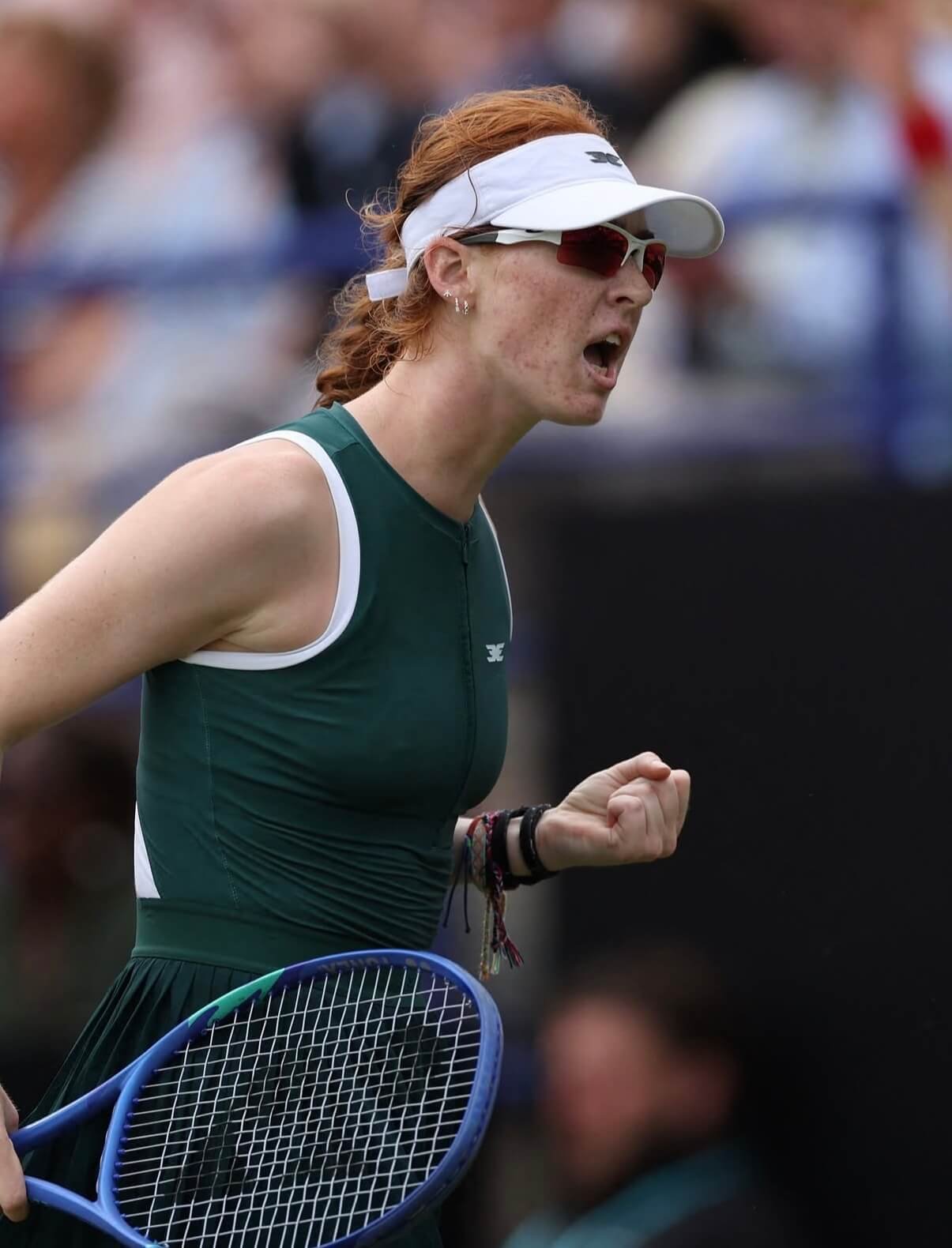
If you caught any of the tennis coverage recently, you might have seen a young Aussie named Maya Joint absolutely holding her own on one of the biggest stages in the world. And while everyone was watching her forehand, her footwork, and her frankly ridiculous composure for someone her age, I was watching something else entirely.
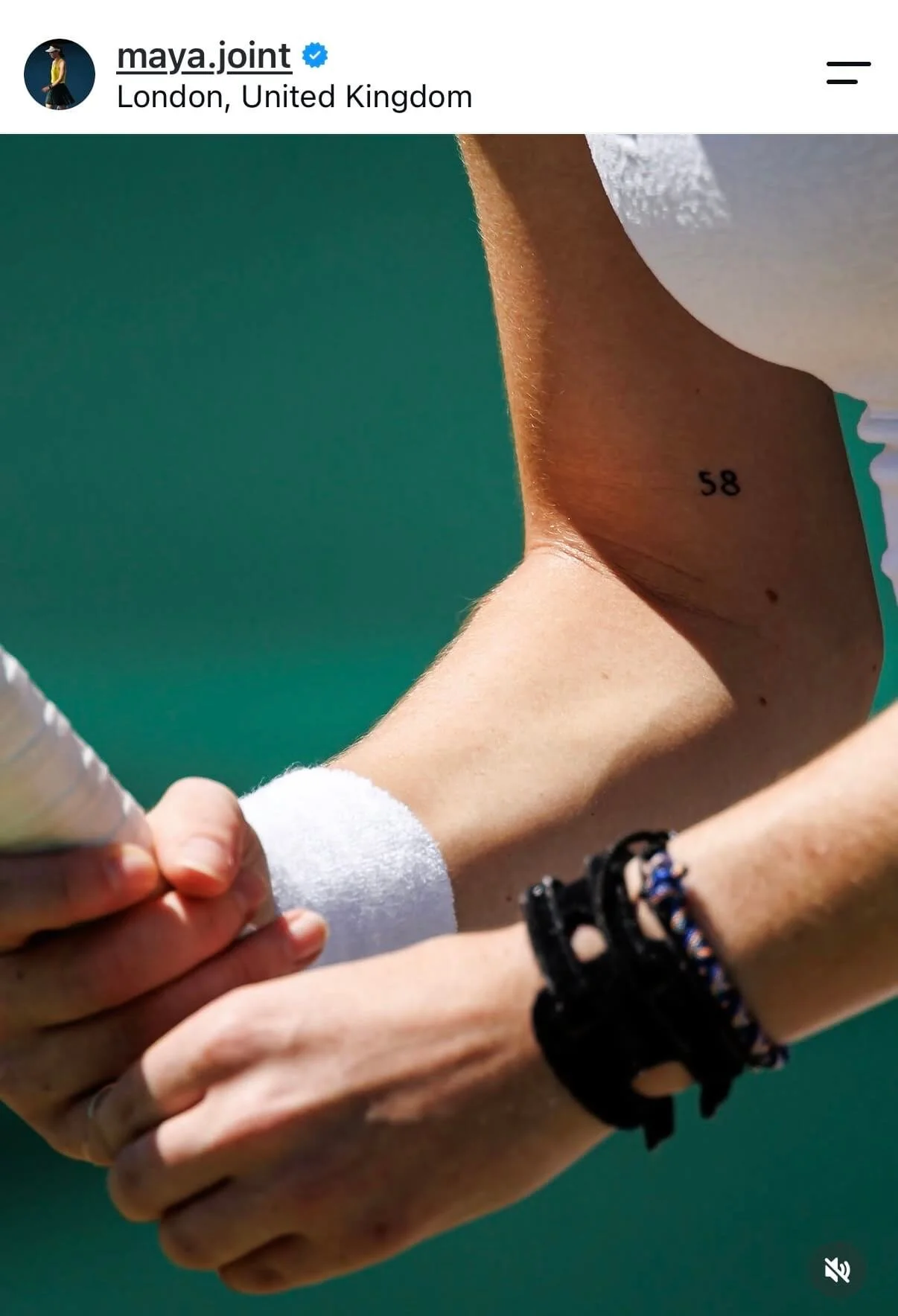
Her left wrist.
Because there, wrapped snugly around it, was a WristWidget.
Now, I'll be honest, I may have made a small (loud) noise in my living room.
Why I Nearly Fell Off My Chair
Look, when you spend your professional life obsessing over wrists like I do, you get a bit odd. You start noticing wrists everywhere. At the shops. On TV. In the queue at the coffee shop. It's not a personality, it's a condition.
But seeing a WristWidget on an elite athlete, at Wimbledon of all places, competing at the absolute highest level? That's a different kind of thrill.
Because it tells you something important. This isn't a gimmick. It's not a bit of fancy strapping for show. It's a proper, functional support that real athletes trust when the stakes are enormous and their wrists are quite literally on the line with every single shot.
What the WristWidget Actually Does
Let me break it down without turning this into a lecture, because nobody signed up for anatomy class today.
The wrist is a genuinely complicated little joint. There's a structure on the pinky side of your wrist called the TFCC, and when it gets injured or overloaded, it can be absolutely miserable. Rotating your forearm hurts. Pushing up out of a chair hurts. And gripping a tennis racket and belting a ball at speed? You can imagine.
The WristWidget is designed specifically to support that area. It's not a big, bulky, immobilising brace that turns your hand into a useless flipper. It's slim, it's clever, and it supports the wrist while still letting you move, grip, and do the thing you actually need to do.
Which, when your job is professional tennis, is quite important.
The Beauty of Being Able to Keep Going
Here's the bit I really want you to hear.
So often when someone injures their wrist, the conversation defaults to stop. Rest it. Sit it out. Wait. And sometimes, sure, that's exactly what's needed.
But sometimes what people actually need is a way to keep going safely. To keep doing the sport they love, the work that pays the bills, or the hobby that keeps them sane, without making things worse.
That's the whole point of a well designed support. It's not about wrapping someone in cotton wool. It's about giving the wrist enough backup to get on with life.
And there's Maya, out on Centre Court, doing exactly that.
This Is Why I Do What I Do
I distribute the WristWidget because I've seen what the right support can do for people. And I don't just mean elite athletes with sponsorship deals and their own highlight reels.
I mean the everyday humans I work with in hand therapy. The mum who couldn't lift her toddler without wincing. The tradie who thought he'd have to give up his livelihood. The keen weekend golfer who was told to just stop playing and didn't fancy that one bit.
The right brace, matched with the right advice, can genuinely change someone's day. Sometimes their whole year.
Seeing that same product on a rising tennis star doesn't change how good it is. But it does put a very bright spotlight on something I already knew. Good wrist support isn't a compromise. It's a strategy.
A Wrist Win Worth Celebrating
So yes, congratulations to Maya on a cracking performance. Watching a young Aussie back herself against the best in the world is exactly the sort of thing that makes you want to stand up and cheer, ideally without spilling your tea.
But I'll also quietly celebrate the little black support on her wrist, doing its unglamorous job in the background while she got all the glory. As it should be.
If you've been struggling with wrist pain, especially that nagging ache on the pinky side that flares up every time you twist, push or grip, this is your friendly nudge. You don't necessarily have to stop everything. You might just need the right support and a bit of good guidance to go with it.
And if a WristWidget is good enough for Wimbledon, it might just be good enough for your next round of tennis, gardening session, or heroic attempt at opening a jar.
Feel free to have a chat with me. Your wrist and I would love to help you get back to doing the things you love.